


How to Choose a Sideboard for the Living Room? A Practical Step-by-Step Guide
Choosing the right sideboard for your living room is a key decision that affects both the functionality and the overall look of the space. Today, a sideboard is no longer just a storage unit — it often becomes a decorative element and a focal point of the interior.
In this guide, we explain how to choose a living room sideboard that fits your space, lifestyle and real everyday needs.
How to Choose the Right Sideboard Dimensions
The first step is to determine the correct proportions of the sideboard in relation to the room.
Pay attention to:
-
the width of the wall where the sideboard will be placed
-
the height in relation to sofas, tables or windows
-
the depth — especially important in smaller living rooms
In compact interiors, low and wide sideboards work best as they keep the space visually light. Larger rooms allow for taller pieces or modular compositions.
Which Material Is Best for a Sideboard?
The material influences not only the appearance but also durability and everyday comfort.
The most popular options include:
-
laminated furniture boards – durable and easy to maintain
-
lacquered MDF – ideal for modern, minimalist interiors
-
solid or engineered wood – natural character and timeless appeal
Choosing stable, high-quality materials is especially important if the sideboard is meant to last for many years.
Sideboard Colour and Interior Style
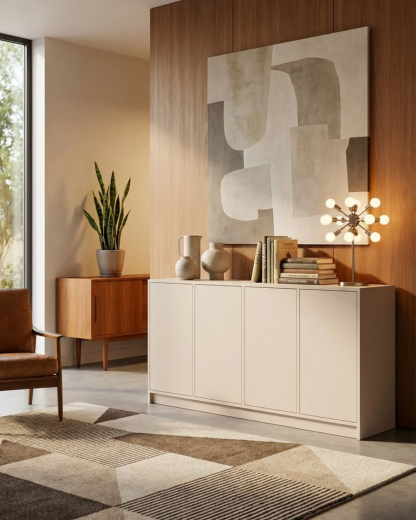
The colour of the sideboard should harmonise with the floor, walls and other furnishings.
Safe and versatile choices include:
-
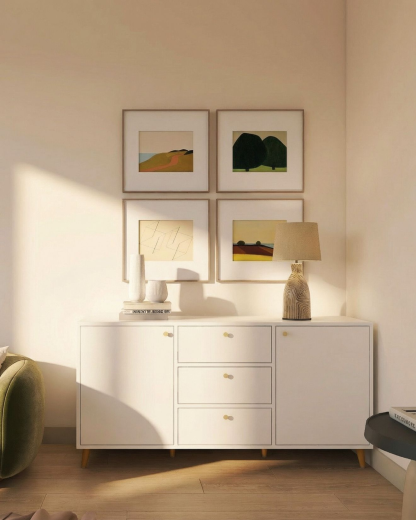
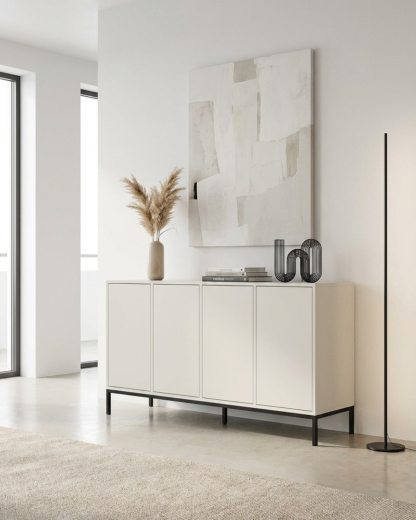
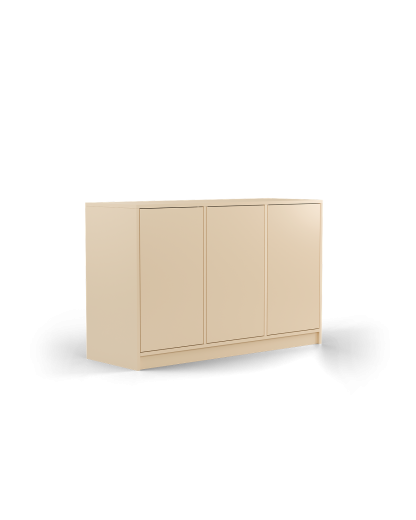
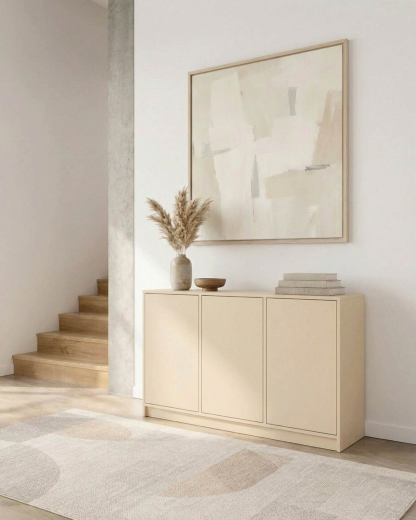
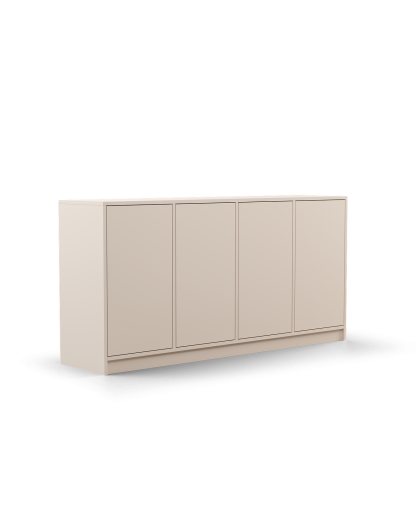
white and cream tones – brighten the space
-
light wood shades – perfect for Scandinavian and Japandi styles
-
black and graphite – ideal for modern and loft interiors
In calm, neutral spaces, a sideboard can become a subtle accent that adds character without overwhelming the room.
Sideboard with Drawers or with Doors?
The internal layout should reflect what you plan to store.
-
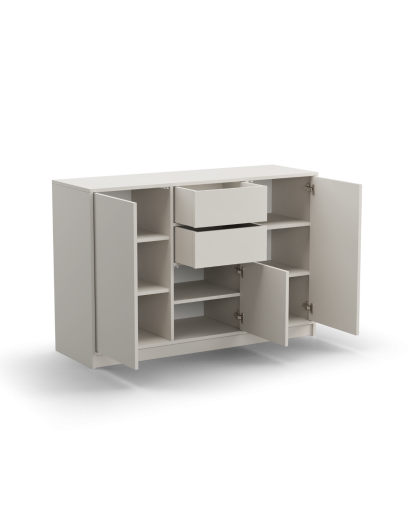
Drawers are ideal for documents, textiles and small items
-
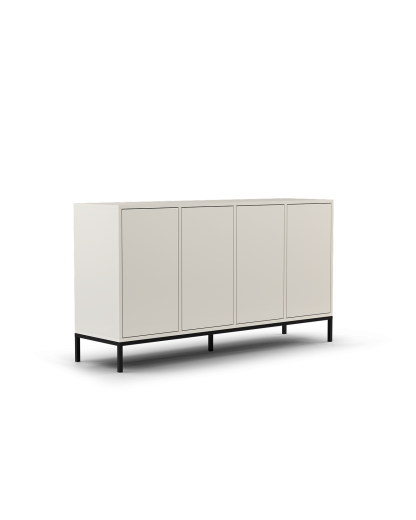
Doors with shelves work better for larger objects such as tableware or equipment
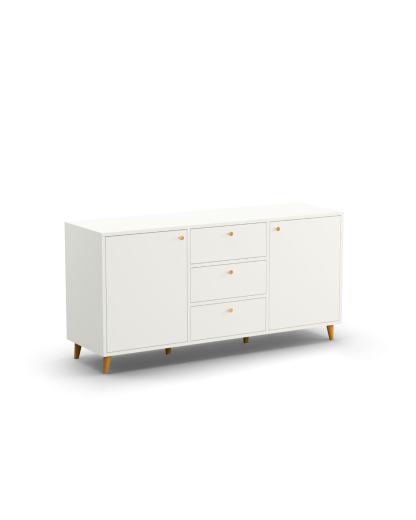
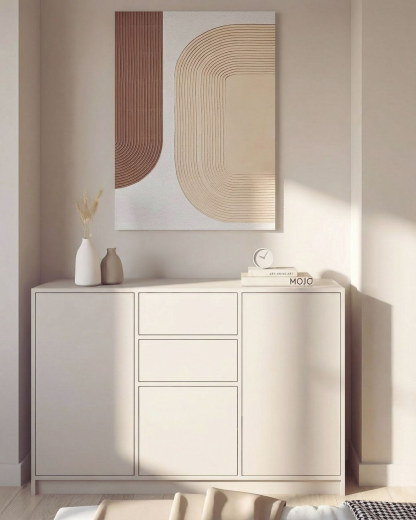
A combination of both solutions offers maximum flexibility and comfort.
Is a Configurable Sideboard Worth It?
Ready-made furniture often involves compromises — in size, colour or internal layout. A configurable sideboard eliminates these limitations.
Key advantages include:
-
precise fit to your space
-
choice of materials and colours
-
functional internal layout
-
visual consistency with other furniture
This is an ideal solution for those who value thoughtful, cohesive interiors.
Why ITODI Sideboards Are Designed Differently
At ITODI, sideboards are made to order, using real materials and without production shortcuts. Each piece is created based on an individual configuration — from dimensions and colours to finishing details.
As a result:
-
the furniture fits the interior perfectly
-
there are no unnecessary elements
-
form and function work together
This approach works equally well in small apartments and large open-plan spaces.
Frequently Asked Questions (FAQ)
What is the ideal height for a living room sideboard?
Most sideboards are between 70 and 90 cm high, but the ideal height depends on the room layout and intended use.
Does a light sideboard work with a dark floor?
Yes — a light sideboard on a dark floor creates a clean contrast and visually balances the space.
How long does a custom sideboard take to make?
Production time depends on the configuration and materials, but the result is a piece tailored exactly to your needs
Related Posts

Why is an online furniture configurator the future of shopping?
01 December 2025
An online furniture configurator is changing the way we buy furniture.
It enables full customization of dimensions, colors, and materials, shows the price in real time, and gives complete control over the design — without visiting a showroom and without waiting for quotations.